Winter in Agra brings not just pleasant weather but also a wide variety of fresh, flavourful, and highly nutritious vegetables. Because the temperature drops and the climate becomes dry and crisp, several vegetables grow better and richer in taste during this time. As a result, winter markets in Agra are filled with seasonal produce that supports immunity, strengthens the body, and enhances daily meals. Therefore, choosing the right winter vegetables becomes essential for both health and taste.
In this detailed guide, we will explore the best vegetables for winter seasons in Agra, along with their benefits, nutritional value, and simple Indian recipes. Moreover, each vegetable discussed below is easily available in Agra’s local markets, online platforms, and neighbourhood sabzi mandis.
Why Winter Vegetables Are Special in Agra
Winter vegetables naturally develop better flavour and nutritional density because cold weather slows their growth slightly, giving them more time to mature. Consequently, their texture becomes crisp, their colour becomes richer, and their nutrient levels increase. Many vegetables like carrots, spinach, peas, and cauliflower thrive in Agra’s winter climate.
Furthermore, the human body needs more warmth and immunity during the winter season. Seasonal produce supports this need by offering vitamins, minerals, antioxidants, and fibre. Since natural seasonal food is easier to digest and healthier, eating winter vegetables is highly recommended.
Best Vegetables for the Winter Season in Agra
Below is a complete list of the top winter vegetables in Agra, along with their food value and simple Indian-style preparation ideas.
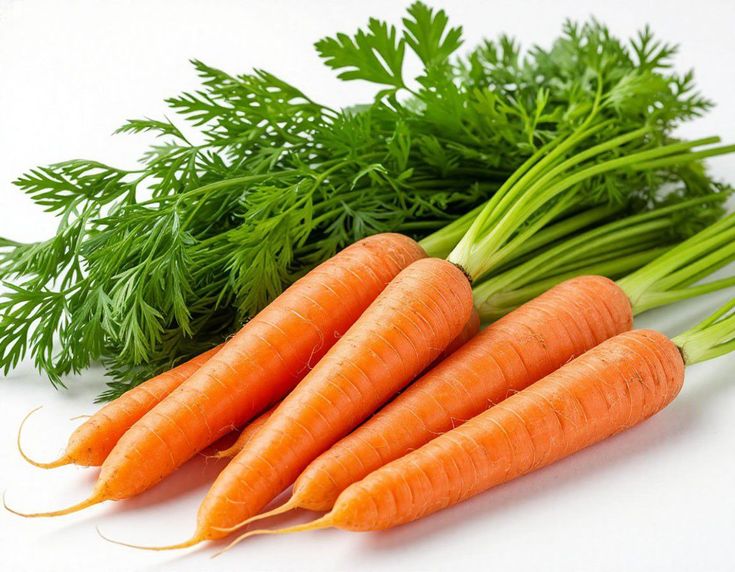
Carrot (Gajar)
Carrots are one of the most popular winter vegetables in Agra. They are packed with vitamin A, beta-carotene, fibre, and antioxidants. Because carrots grow sweeter in cold weather, winter gajar tastes far better than summer ones.
Benefits:
- Strengthens eyesight
- Boosts immunity
- Supports healthy skin
Quick Recipe:
Sauté grated carrot with ghee, cardamom, sugar, and milk to make delicious gajar halwa.
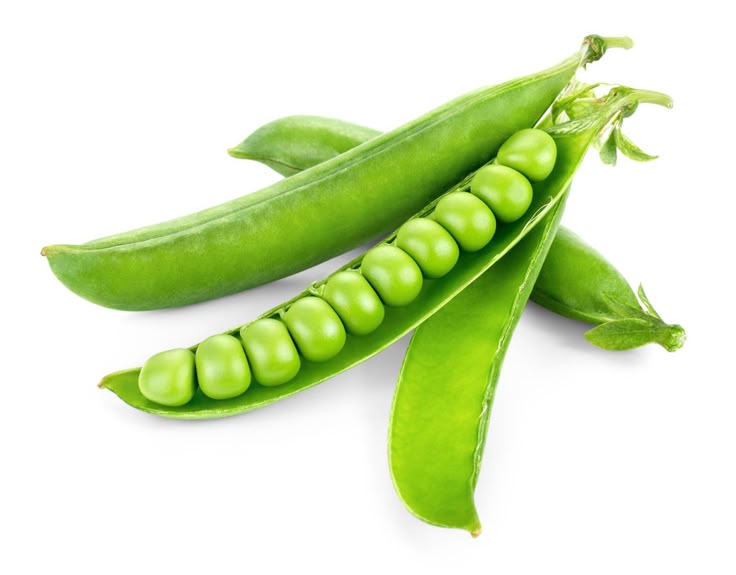
Green Peas (Matar)
Green peas are available only in the cold months. They are high in protein, fibre, and antioxidants. Additionally, they add sweetness and texture to many Indian dishes.
Benefits:
- Supports digestion
- Provides plant protein
- Builds immunity
Quick Recipe:
Make matar sabzi by cooking peas with tomatoes, ginger, turmeric, and coriander.
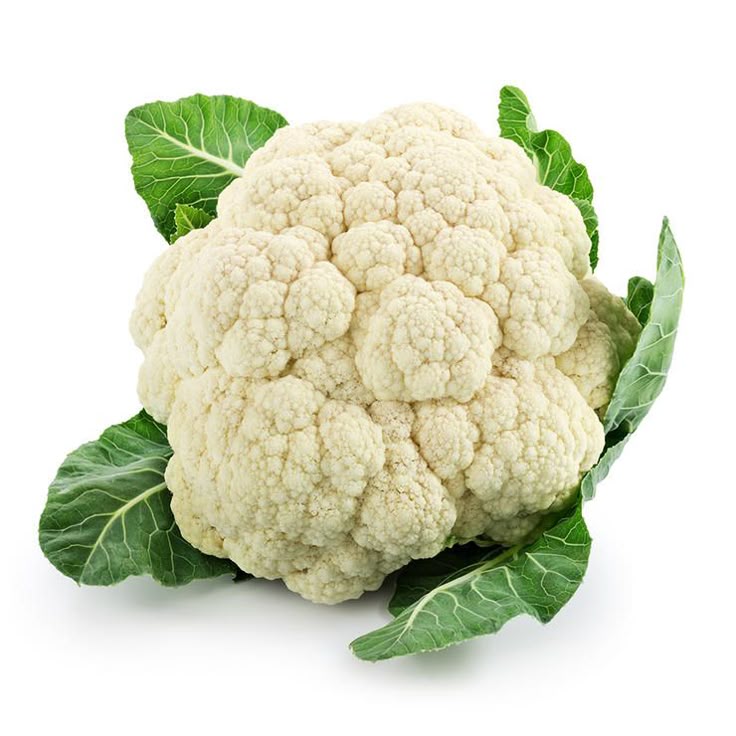
Cauliflower (Gobi)
Cauliflower thrives in winter and becomes crisp and flavourful. It contains vitamin C, fibre, potassium, and antioxidants. Moreover, it suits everything from sabzi to parathas.
Benefits:
- Boosts immunity
- Improves digestion
- Supports heart health
Quick Recipe:
Fry cauliflower florets lightly, then cook them with cumin, garlic, turmeric, and garam masala.
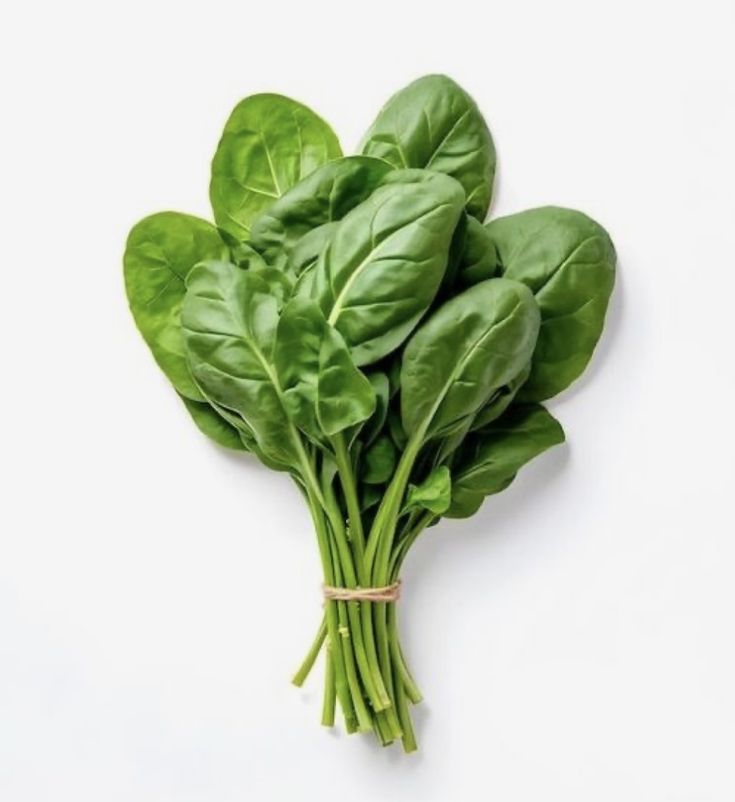
Spinach (Palak)
Spinach grows very well in Agra’s winter climate. It is rich in iron, calcium, vitamin A, and vitamin C. Since spinach is light and nutrient-dense, it is perfect for winter meals.
Benefits:
- Supports blood health
- Strengthens bones
- Boosts immunity
Quick Recipe:
Sauté chopped spinach with garlic, salt, and green chilli for a simple side dish.
Fenugreek Leaves (Methi)
Methi is a widely loved winter green in Agra. It contains iron, fibre, vitamin K, and antioxidants. Although slightly bitter, it becomes sweeter in winter.
Benefits:
- Controls blood sugar
- Improves digestion
- Supports hair and skin health
Quick Recipe:
Prepare methi aloo by cooking chopped methi leaves with potatoes, garlic, and turmeric.
Why Eat This Vegetable?
Methi helps control blood sugar, supports digestion, and keeps the body warm, which is essential in cold months.
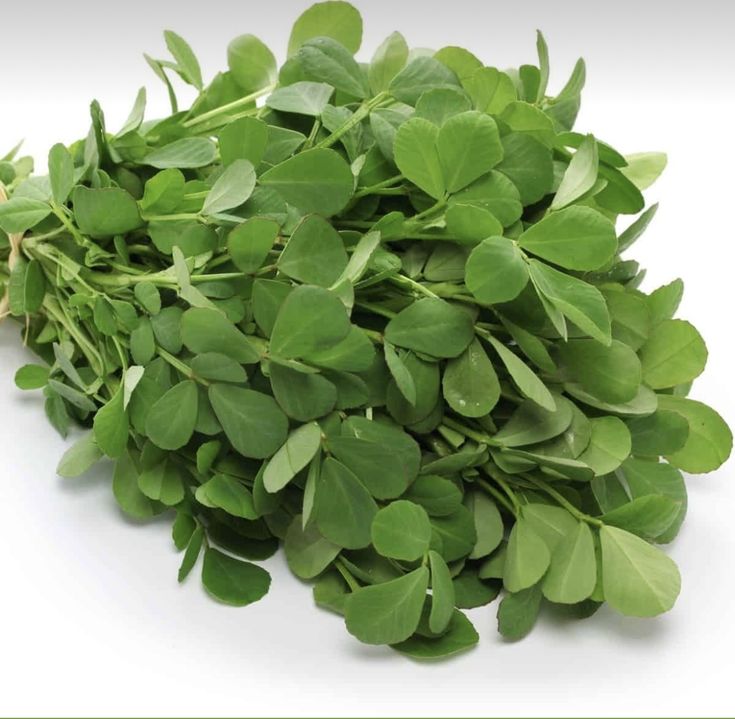
Radish (Mooli)
Radish is a typical winter vegetable available across Agra. It is crunchy, refreshing, and full of vitamin C, fibre, and potassium. Because it grows best in cold weather, it tastes milder and sweeter in winter.
Benefits:
- Improves digestion
- Controls acidity
- Good for liver health
Quick Recipe:
Make mooli paratha by stuffing grated radish with spices inside wheat dough
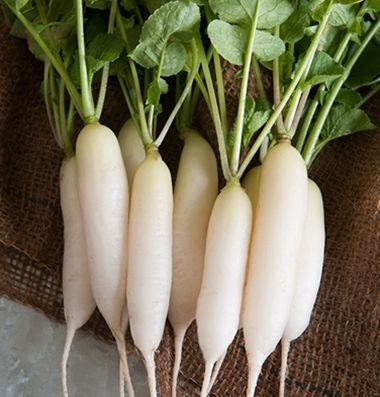
Beetroot (Chukandar)
Beetroot becomes sweeter and juicier during winter. It contains iron, folate, antioxidants, and natural nitrates. Moreover, beetroot improves blood flow.
Benefits:
- Boosts stamina
- Improves blood circulation
- Strengthens immunity
Quick Recipe:
Boil and cube beetroot, then mix with salt, lemon, and pepper for a healthy salad.
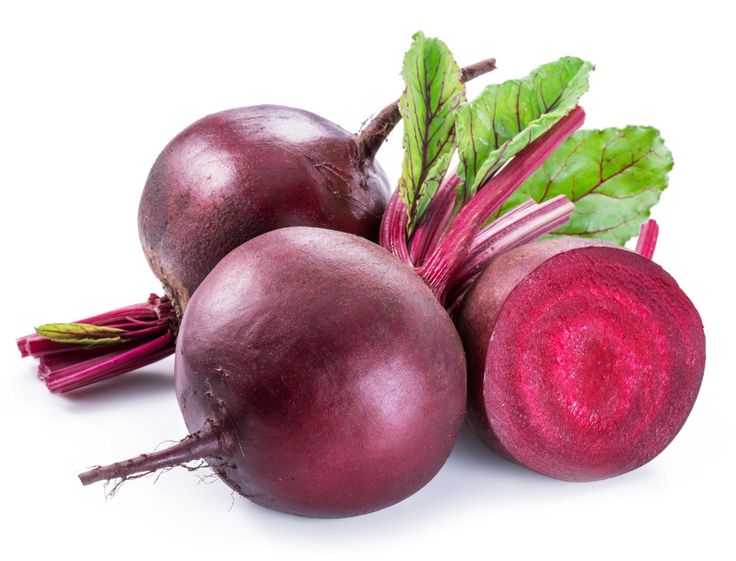
Mustard Greens (Sarson Ka Saag)
Sarson is one of the most iconic winter vegetables in North India. It grows extensively around Agra during cold months. It offers calcium, vitamin K, and essential minerals.
Benefits:
- Strengthens bones
- Improves digestion
- Boosts immunity
Quick Recipe:
Cook blended mustard greens with ginger, garlic, and makki ka atta for classic sarson ka saag.
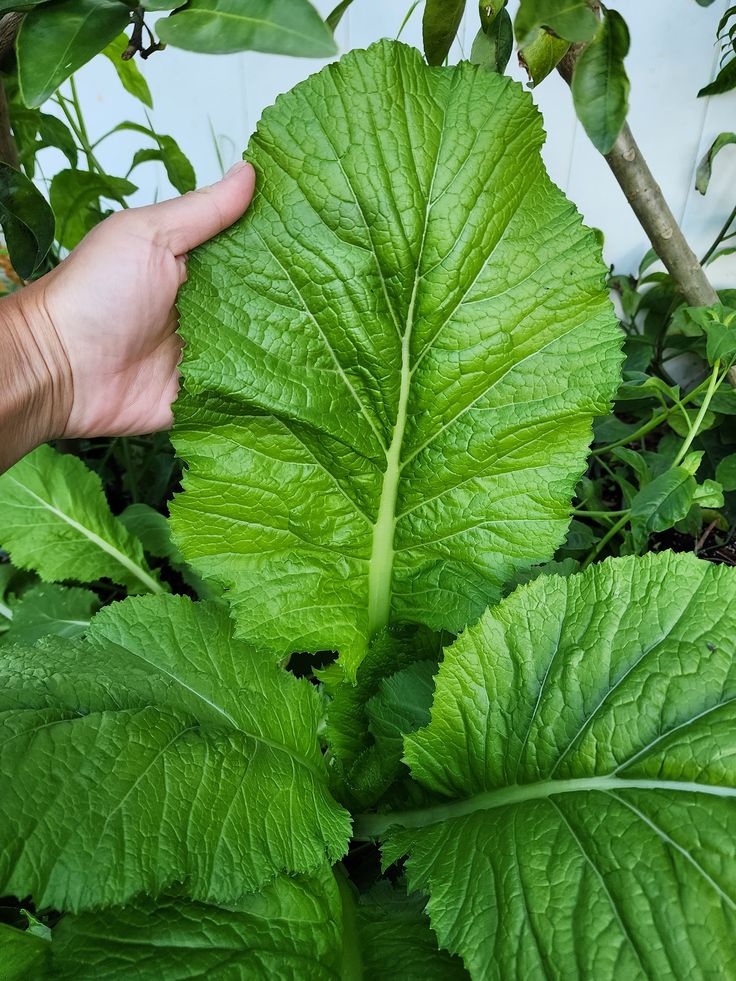
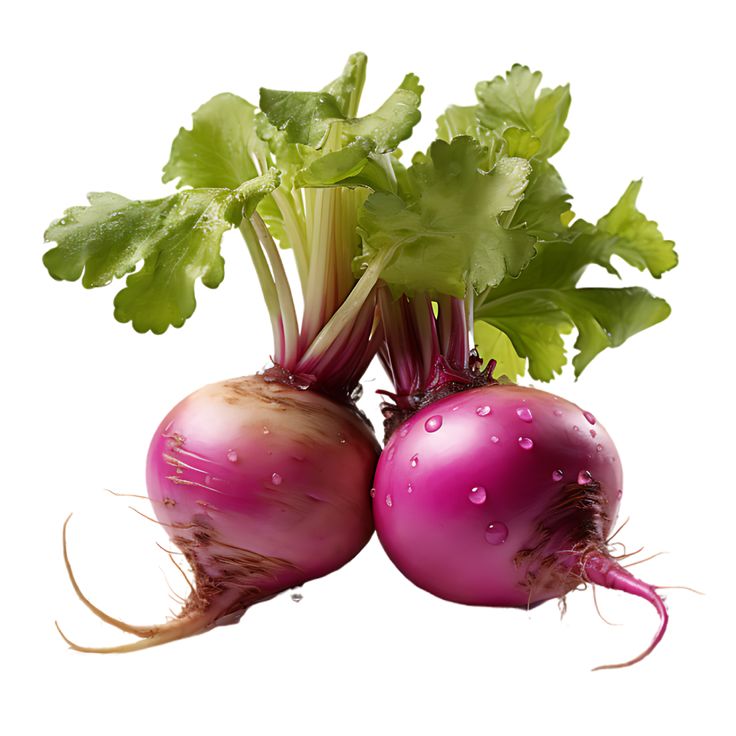
Turnip (Shalgam)
Turnip is another winter specialty in Agra. It contains fibre, vitamin C, potassium, and antioxidants. In winter, turnips taste sweeter and milder.
Benefits:
- Controls blood pressure
- Improves immunity
- Supports gut health
Quick Recipe:
Make shalgam curry with tomatoes, ginger, and mild spices.
Cabbage (Patta Gobi)
Cabbage is one of the healthiest and most affordable winter foods. It is rich in vitamin C, fibre, folic acid, and antioxidants. Since winter improves its texture, cabbage becomes crisp and flavourful.
Benefits:
- Supports digestion
- Strengthens immunity
- Good for skin health
Quick Recipe:
Stir-fry cabbage with carrots, mustard seeds, and green chillies.
Where to Find the Best Winter Vegetables in Agra
Winter vegetables are widely available across Agra in:
- Local sabzi mandis
- Roadside vegetable carts
- Online vegetable delivery platforms
- Farm outlets
- Weekly markets
Because winter vegetables spoil slowly, you can purchase a larger quantity and store them for a few days.
Tips for Choosing Fresh Winter Vegetables
To ensure quality, always:
- Pick firm and brightly coloured vegetables
- Avoid overly soft or dull-looking items
- Choose leafy greens that look crisp
- Smell vegetables for natural aroma
- Prefer seasonal choices for best nutrition
Final Thoughts
Winter in Agra is the best season to enjoy fresh, colourful, and highly nutritious vegetables. Because seasonal food is naturally richer in vitamins and minerals, adding these winter vegetables to your diet helps improve immunity, digestion, and overall well-being. Each vegetable listed above is easily available and affordable across local markets in Agra, making winter a great time for healthy, home-cooked meals. And if you follow updates or informative guides on getfreshoo.com, you can always stay aware of the best seasonal vegetables to choose throughout winter.